
Latest from Growing Through Play
A place to start when you’re overwhelmed or don’t know where to begin. Written for parents by Keri-Lynn Yonika, OTR/L.
Start with the question you’re asking
- My child was just diagnosed with autism. What do I do now?
- How do I connect with a child who doesn’t want to play?
- What is my child trying to communicate?
- Why does my child melt down during transitions?
- How can I support regulation without turning everything into therapy?
- What does DIR/Floortime® actually look like?
- What is caregiver coaching?
- How do I know if my child needs OT?

How Do I Know If My Child Needs Occupational Therapy?
You do not need a diagnosis, a referral, or certainty to ask the question. Here are the things parents usually notice first, what a pediatric OT actually looks at, and what a first conversation is like.

How to Support Your Child’s Regulation Without Turning Everything Into Therapy
Many parents are told to “work on” their child constantly. That is exhausting, and it is not what helps. Here is how regulation support actually fits inside an ordinary day, without turning you into your child’s therapist.

What Is Caregiver Coaching? What Parents Can Actually Expect
Caregiver coaching sounds like one more thing on your plate. In practice it is the opposite. Here is what it looks like inside a session, what it is not, and why it is built into every Growing Through Play visit.

Why Does My Child Melt Down During Transitions?
Leaving the park. Turning off the tablet. Getting in the car seat. If transitions bring the biggest meltdowns of your day, it is not because your child is being difficult. Here is what is usually happening underneath, and what helps.

Your Child Was Just Diagnosed With Autism. What Do You Do Now?
If your child was recently diagnosed with autism, you may be feeling relieved to finally have some answers—and completely overwhelmed by what comes next. You may be wondering: What kind of therapy does my child need? Should we start ABA? OT? Speech? Floortime? What am I supposed to be doing
Child Not Talking? How to Understand Early Communication
Is your child not talking yet? Learn how to recognize early communication through gestures, sounds, body language, play, and behavior using a relationship-based Floortime approach.
My Child Doesn’t Play With Me: Building Connection Through Play
Does your child prefer to play alone or seem uninterested when you join? Learn how relationship-based, child-led play can help you understand your child’s world, build connection, and support communication through meaningful moments together.

How Engagement Becomes Communication: The Heart of DIR/Floortime®
Discover how DIR/Floortime® , relationship-based pediatric occupational therapy, and holistic autism therapy help children build communication through connection. Learn how engagement, joint attention, shared attention, and child-led play create the foundation for language, social interaction, and

Affect: Why You Are the Most Important Toy
Learn how affect in DIR/Floortime supports joint attention, social communication, emotional connection, and child development with easy parent-friendly tips.

Why Your Child's Interests Are the Key to Learning | Growing Through Play
Wondering if your child's intense interests can actually support their development? Discover how **DIR/Floortime®**, relationship-based pediatric occupational therapy, and child-led play use your child's favorite activities to build communication, joint attention, engagement, emotional regulation, a
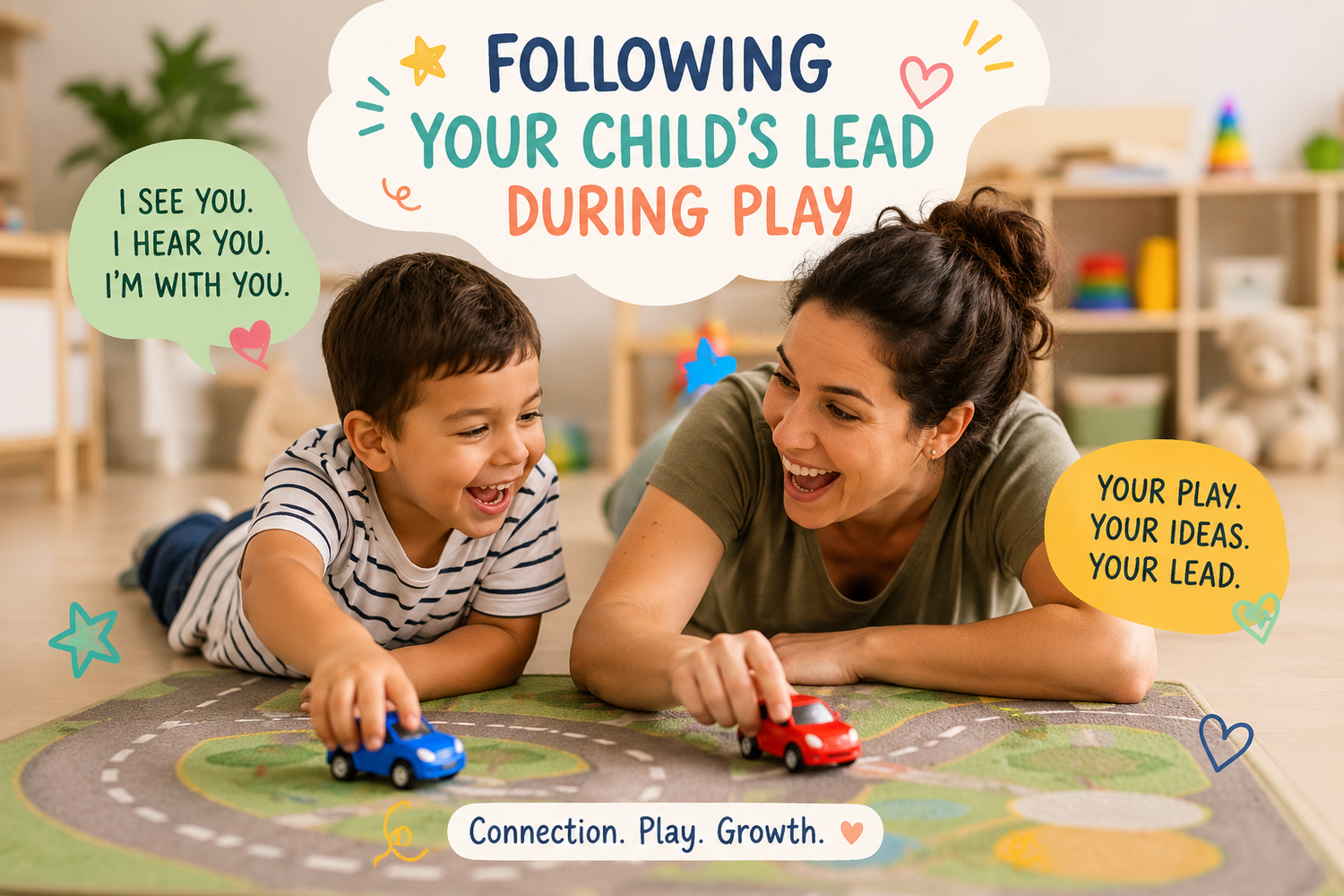
How to Follow Your Autistic Childs Lead During Play| DIR/Floortime
Following your child's lead during play is one of the simplest and most effective ways to build connection, communication, and confidence. Discover how watching, joining, and respecting your child's ideas can turn everyday play into meaningful learning while strengthening your relationship.

5 Simple Floortime Activities You Can Do at Home | DIR/Floortime CT
Try 5 simple DIR/Floortime activities you can do at home to build communication, connection, emotional regulation, and play-based learning with your child.

Floortime vs. Traditional Occupational Therapy | Cheshire, CT
Learn the differences between DIR/Floortime and traditional occupational therapy. Discover how a relationship-based, child-led approach supports communication, regulation, play, and development for children in Cheshire, CT and surrounding communities.
How Floortime Helps Children with Autism Build Meaningful Connections
Learn how DIR/Floortime helps children with autism build meaningful connections through child-led play, emotional regulation, and relationship-based therapy in Connecticut.

Is Floortime Only for Autism? Who Can Benefit from DIR/Floortime | CT Therapy
Learn whether DIR/Floortime is only for autism or if it supports all children with communication, sensory, emotional regulation, and developmental needs.
The Science Behind Relationship-Based Therapy (DIR/Floortime)
Explore the science behind DIR/Floortime and relationship-based therapy. Learn how connection, co-regulation, and child-led play support brain development in children.

What Happens During a Floortime Session? | DIR/Floortime Therapy CT
Learn what happens during a DIR/Floortime session, including child-led play, parent coaching, and how therapy builds communication, regulation, and connection.
Why Play Is Your Child’s Most Important Occupation | DIR/Floortime Therapy CT
Discover why play is essential for child development and how DIR/Floortime uses child-led play to build communication, emotional regulation, and connection.

What Is DIR/Floortime? A Parent's Guide
Learn what DIR/Floortime is, how it supports communication, emotional regulation, and development through child-led play. Serving Cheshire, CT and surrounding communities.